
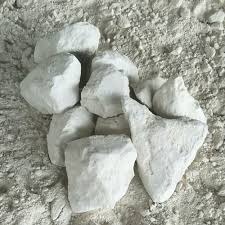
Ball Clay in Iran: A Strategic Resource for Ceramics and Industry
Introduction to Ball Clay
Ball clay is a fine-grained, highly plastic sedimentary clay that plays a crucial role in the ceramic industry. Known for its strength, plasticity, and ability to retain shape during firing, ball clay is often blended with other clays to enhance performance. In Iran, ball clay deposits are considered among the most valuable raw materials for ceramic production.
Ball Clay Deposits in Iran
Tabas Region
The Tabas area in Yazd Province is the most significant source of ball clay in Iran. These deposits, formed during the Lower Jurassic period under swamp-like conditions, are rich in kaolinite, illite, and fine quartz, with minimal impurities. Tabas ball clays are especially valued for their low iron content and light-cream to white fired color, making them ideal for fine ceramics.
Abadeh Mine
Another important deposit is the Abadeh fire clay mine, located near Isfahan. This site provides high-quality ball clay with distinct seams that are mined selectively for different industrial applications.
Mineralogical Composition
Ball clay in Iran typically contains:
- Kaolinite (primary mineral)
- Illitic mica or sericite
- Fine quartz
- Minor amounts of smectite and carbonaceous material
These properties give Iranian ball clay superior plasticity, strength, and fluidity, essential for ceramic manufacturing.
Industrial Applications
Ceramics and Pottery
Ball clay is a key ingredient in:
- Porcelain and sanitary ware
- Tiles and tableware
- Refractory products
Its ability to provide plasticity and strength makes it indispensable in shaping and firing processes.
Other Uses
- Construction materials (lightweight blocks and panels)
- Refractory linings
- Specialized industrial fillers
Iranian ball clay’s versatility ensures demand across multiple industries.
Advantages of Iranian Ball Clay
Quality and Purity
- Low iron content for bright fired colors
- High plasticity for easy shaping
- Consistent mineral composition
Competitive Supply
Iran offers flexible supply options and competitive pricing compared to other global sources, making it attractive for international buyers.
Conclusion
Iran’s ball clay reserves, particularly in Tabas and Abadeh, represent a strategic advantage for the ceramic and construction industries. With high-quality deposits, favorable mineralogy, and reliable supply, Iranian ball clay continues to strengthen its position in both domestic and global markets


